Discover Iconic Historical Figures
Discover Iconic Historical Figures: Explore Famous Personalities and Their Lasting Impact
Throughout history, certain individuals have left indelible marks on society, shaping cultures, ideologies, and innovations. These iconic historical figures are celebrated not only for their achievements but also for their profound influence on the world. In this article, we will explore the lives and legacies of these remarkable personalities, delving into their key contributions and the lessons we can learn from their experiences. By understanding their stories, we can gain insights into the cultural impact they have had and how their legacies continue to resonate today. We will cover various aspects, including their achievements, the influence of cultural icons, and the personal stories that reflect broader historical events.
Who Are the Most Famous Historical Figures and What Made Them Legendary?
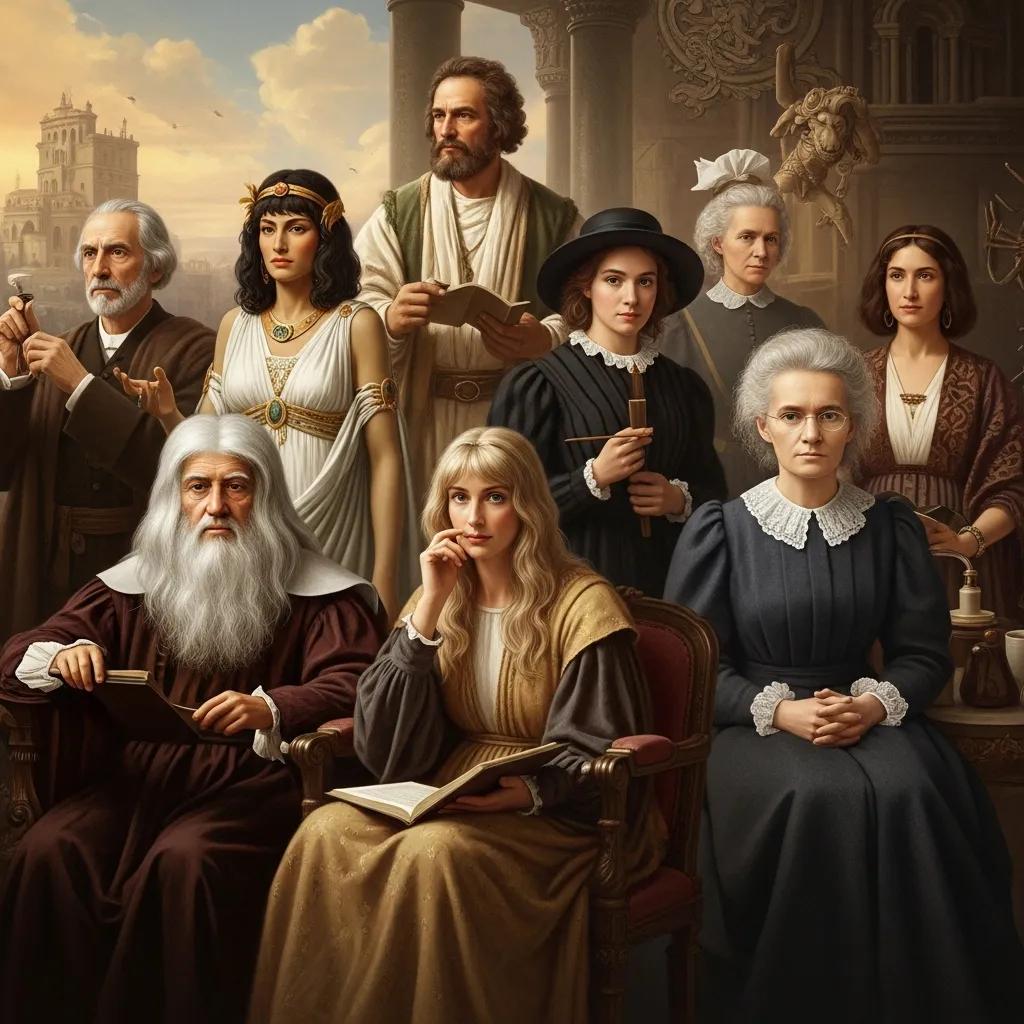
Famous historical figures are individuals whose actions, ideas, or contributions have significantly influenced the course of history. Their legendary status often stems from their ability to inspire change, challenge norms, or introduce groundbreaking concepts. Examples include leaders like Cleopatra, who wielded power in ancient Egypt, and innovators like Leonardo da Vinci, whose artistic and scientific endeavors reshaped the Renaissance. These figures are remembered not only for their accomplishments but also for their enduring impact on culture and society.
What Are the Key Achievements of Iconic Historical Leaders?
Iconic historical leaders have made significant contributions that have shaped nations and inspired generations. Their achievements often reflect their vision, resilience, and ability to mobilize people towards a common goal.
These achievements highlight the transformative power of leadership and innovation, showcasing how these figures have left a lasting legacy.
How Did Cultural Icons Influence Their Eras and Beyond?
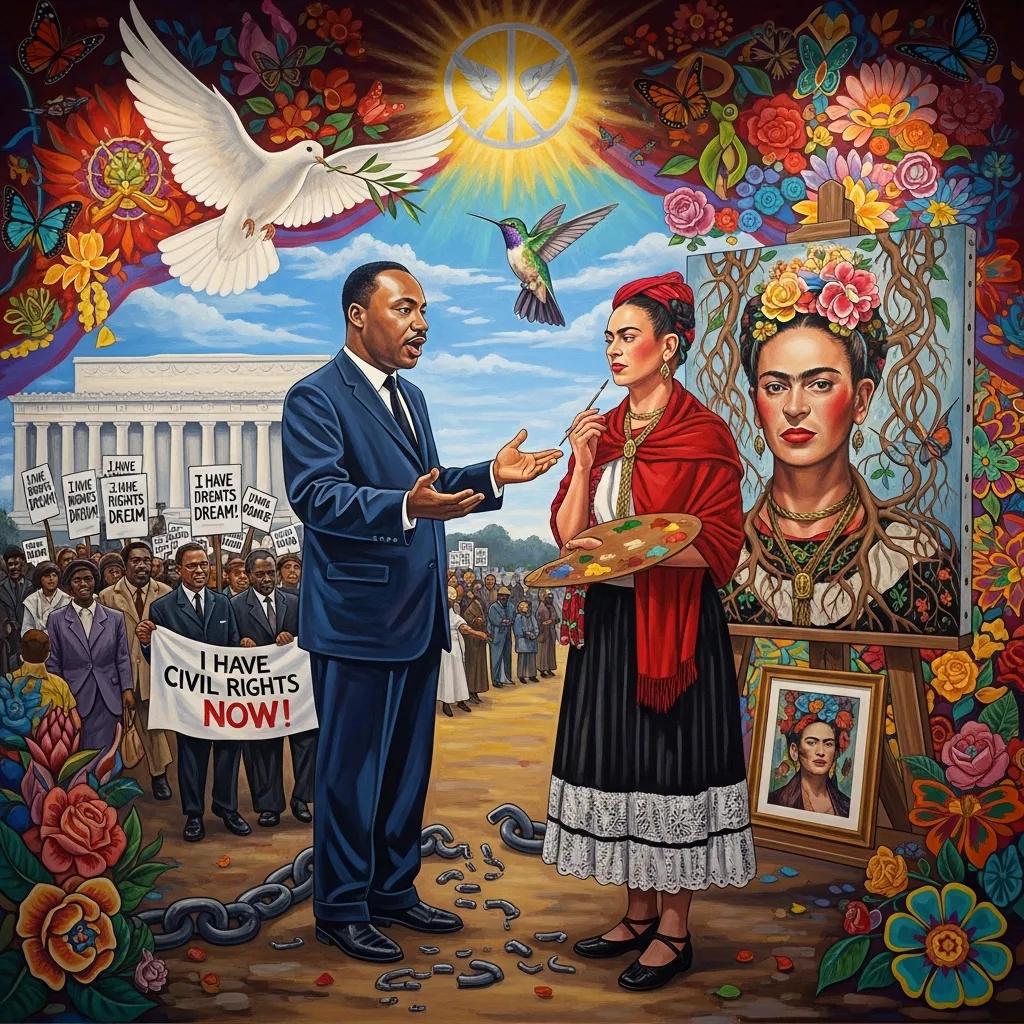
Cultural icons are individuals whose influence transcends their time, shaping societal norms and values. They often serve as symbols of change, representing movements or ideologies that resonate with the public. For instance, figures like Martin Luther King Jr. and Frida Kahlo have inspired countless individuals through their advocacy for civil rights and artistic expression, respectively. Their legacies continue to inspire new generations, demonstrating the enduring power of cultural influence.
Indeed, the very concept of cultural icons is deeply intertwined with how societies construct and internalize their foundational rules and values.
Cultural Icons: Shaping Society’s Rules and Values
social objects and, in the end, refers to rules and values which are strictly connected to it. The main purpose was to explore the influence of participants’ status differences on their
The construction of icons as a means of access to the social representation of culture, I Galli, 2018
What Can We Learn from Biographies of Historical Icons?
Biographies of historical icons provide valuable insights into their lives, struggles, and triumphs. These narratives often reveal the personal challenges they faced and the resilience they exhibited in overcoming obstacles. By studying their journeys, we can glean important lessons about perseverance, creativity, and the impact of individual actions on society. Understanding these stories allows us to appreciate the complexities of their characters and the broader historical contexts in which they operated.
Which Notable Personalities Shaped History Through Innovation and Discovery?
Innovation and discovery have been pivotal in shaping history, with notable personalities leading the charge. Figures such as Thomas Edison and Nikola Tesla revolutionized technology, while scientists like Charles Darwin transformed our understanding of biology. Their contributions not only advanced their respective fields but also laid the foundation for future innovations that continue to influence our lives today.
How Do Personal Stories Reflect Broader Historical Events?
Personal stories often serve as microcosms of larger historical events, illustrating how individual experiences intersect with societal changes. For example, the life of Anne Frank provides a poignant perspective on the Holocaust, highlighting the human cost of war and persecution. Such narratives remind us of the importance of empathy and understanding in the face of adversity, encouraging us to reflect on our shared humanity.
How Do Historical Figure Timelines Help Us Understand Their Legacy?
Timelines of historical figures offer a structured way to visualize their lives and the events that shaped them. By mapping out key milestones, we can better understand the context of their achievements and the evolution of their influence over time. This approach not only clarifies their contributions but also highlights the interconnectedness of historical events, providing a comprehensive view of their legacies.
What Are the Major Milestones in the Lives of Legendary People in History?
Major milestones in the lives of legendary figures often mark significant turning points that define their legacies. These milestones can include pivotal moments such as groundbreaking discoveries, influential speeches, or transformative leadership decisions. Recognizing these key events allows us to appreciate the complexities of their journeys and the factors that contributed to their iconic status.
How Do Timelines Illustrate the Evolution of Cultural and Social Impact?
Timelines serve as powerful tools for illustrating the evolution of cultural and social impact over time. By charting significant events and movements, we can observe how societal values and norms have shifted in response to the actions of influential figures. This perspective enables us to understand the broader implications of historical developments and their relevance to contemporary issues.
In What Ways Have Iconic Historical Figures Influenced Modern Lifestyle and Trends?
Iconic historical figures have significantly influenced modern lifestyle and trends, shaping everything from fashion to social movements. For instance, the styles of historical figures like Coco Chanel have left a lasting mark on contemporary fashion, while the philosophies of leaders like Mahatma Gandhi continue to inspire movements for social justice. Their legacies remind us of the power of individual expression and the potential for change.
How Has Historical Fashion Inspired Contemporary Style?

Historical fashion has played a crucial role in shaping contemporary style, with designers often drawing inspiration from past eras. The elegance of Victorian fashion, the boldness of the Roaring Twenties, and the simplicity of mid-century designs all find echoes in today’s trends. This interplay between history and modernity highlights the cyclical nature of fashion and the enduring influence of iconic figures.
What Home Decor Trends Draw from Historical Figure Inspirations?
Home decor trends frequently reflect the aesthetics and philosophies of historical figures. For example, the minimalist approach of mid-century modern design is inspired by the principles of simplicity and functionality championed by figures like Ludwig Mies van der Rohe. By incorporating elements from the past, contemporary decor can evoke a sense of nostalgia while remaining relevant to modern sensibilities.
Where Can You Find Engaging Visual Galleries and Multimedia About Famous Historical Figures?
Engaging visual galleries and multimedia resources provide dynamic ways to explore the lives of famous historical figures. Museums, online archives, and educational platforms often feature interactive exhibits, documentaries, and visual storytelling that bring these personalities to life. These resources enhance our understanding of their contributions and allow us to connect with history in meaningful ways.
What Portraits and Artistic Works Represent Iconic Personalities?
Artistic representations of historical figures, such as portraits and sculptures, serve as powerful symbols of their legacies. These works often capture the essence of their subjects, conveying their character and significance. For instance, the iconic portrait of George Washington by Gilbert Stuart has become synonymous with American identity, illustrating how art can immortalize influential figures.
How Do Videos and Infographics Enhance Understanding of Historical Figures?
Videos and infographics play a vital role in enhancing our understanding of historical figures by presenting information in accessible and engaging formats. These multimedia tools can simplify complex narratives, making them easier to digest and share. By utilizing visual storytelling, we can better appreciate the contributions of these figures and the contexts in which they operated.
What Are Common Questions About Iconic Historical Figures and Their Cultural Impact?
Common questions about iconic historical figures often revolve around their motivations, challenges, and the legacies they left behind. Understanding these aspects can deepen our appreciation for their contributions and the cultural impact they have had. By exploring these inquiries, we can foster a greater connection to history and the lessons it imparts.
What Made Iconic and Influential?
The iconic status of historical figures often stems from their unique contributions and the context in which they operated. For example, figures like Nelson Mandela are celebrated for their unwavering commitment to justice and equality, while others, like Albert Einstein, are revered for their groundbreaking scientific discoveries. Their influence is a testament to the power of individual action in shaping the world.
How Do Historical Figures Continue to Shape Modern Society?
Historical figures continue to shape modern society through their enduring legacies and the values they championed. Their stories inspire contemporary movements for social change, innovation, and cultural expression. By reflecting on their contributions, we can draw parallels to current issues and recognize the ongoing relevance of their ideals in today’s world.